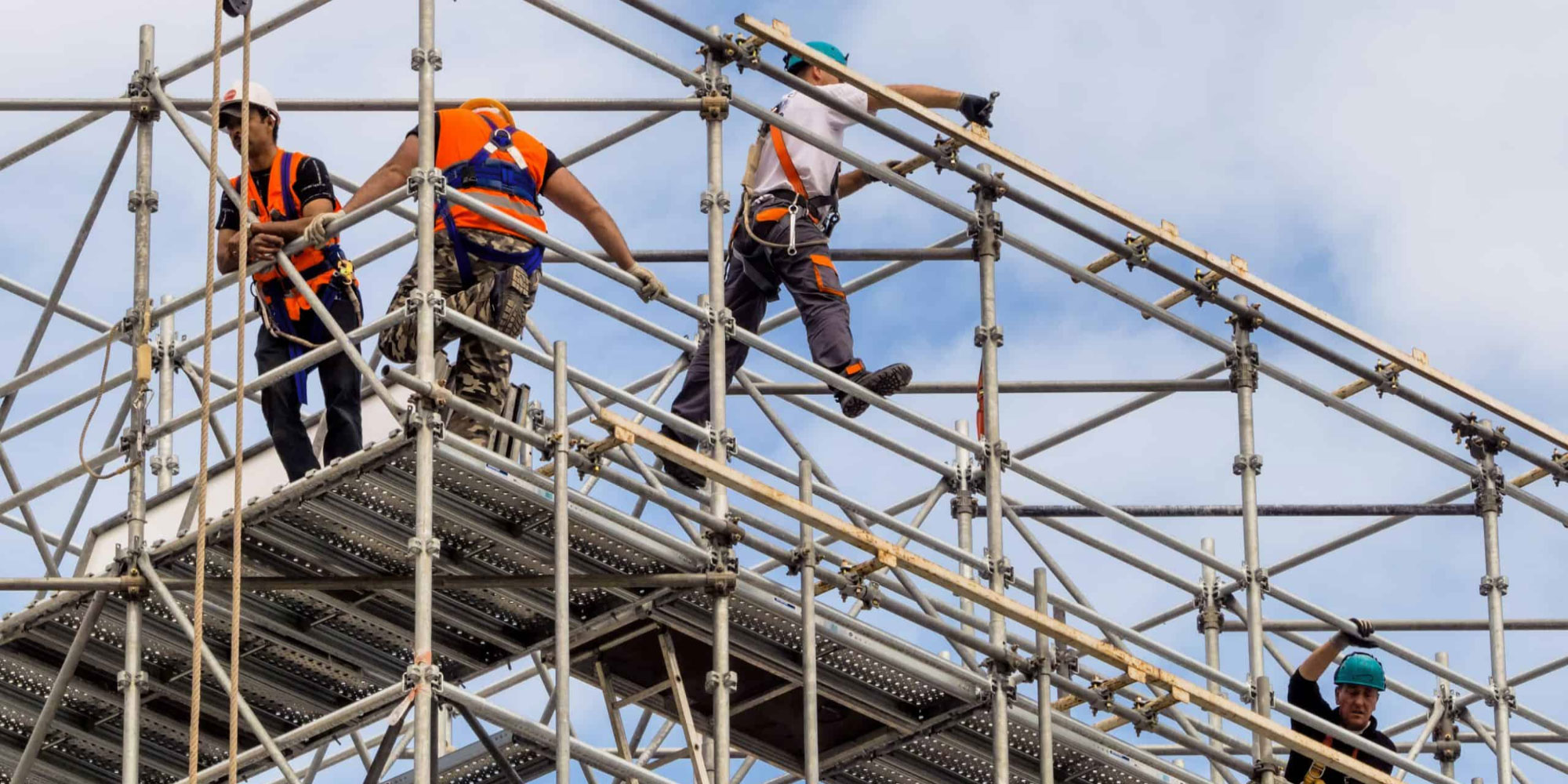


Welcome to the Scaffold Training Company, a family-owned and operated Registered Training Organization dedicated to providing professional and friendly service.
As Melbourne's scaffold training specialist for over two decades, we take pride in offering the highest quality training and assessment in Basic, Intermediate, and Advanced levels.
The Tennysons have built a reputation for delivering exceptional scaffold training that ensures, upon successful completion, the competency and safety for all scaffolders.
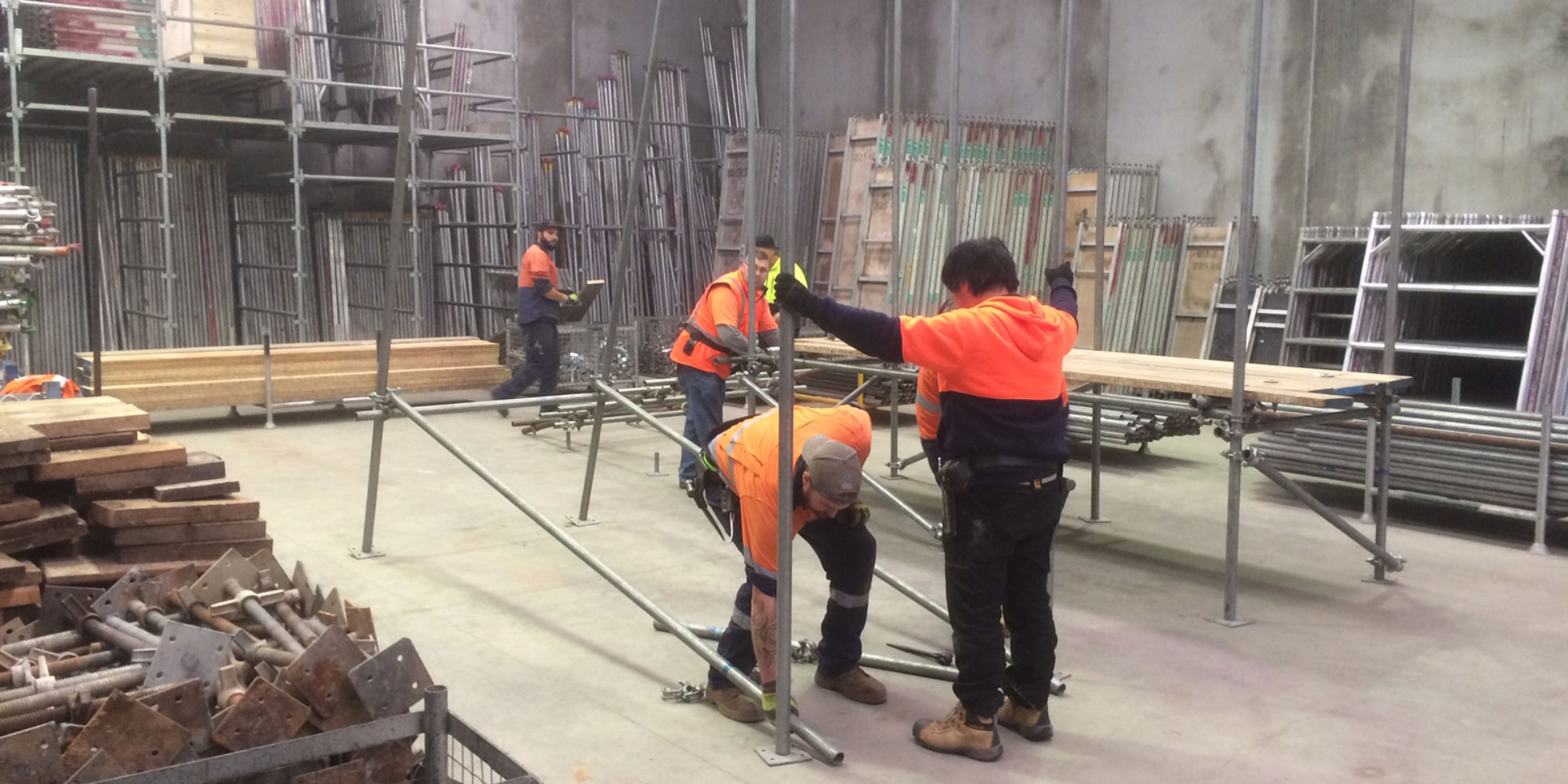
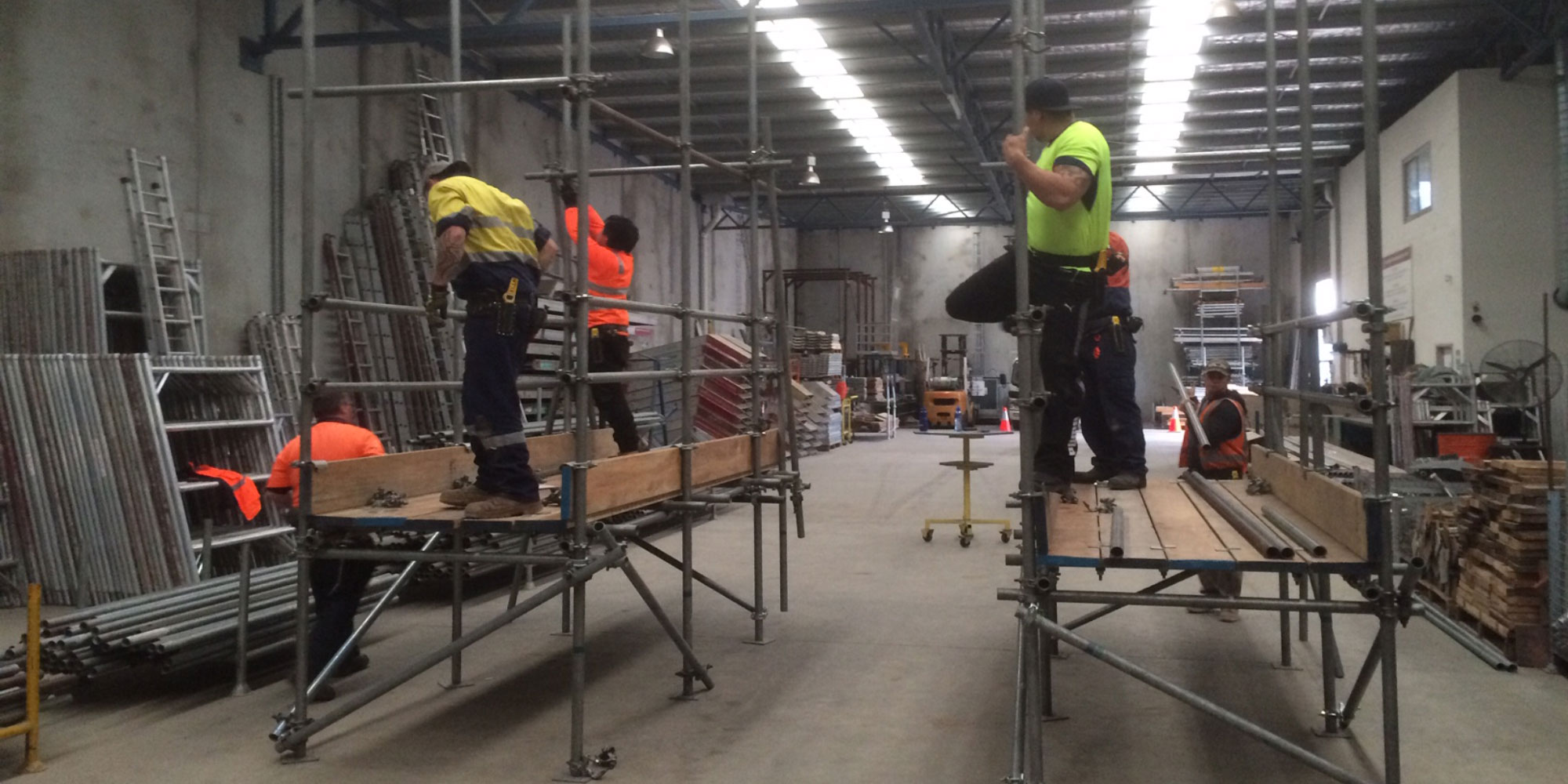
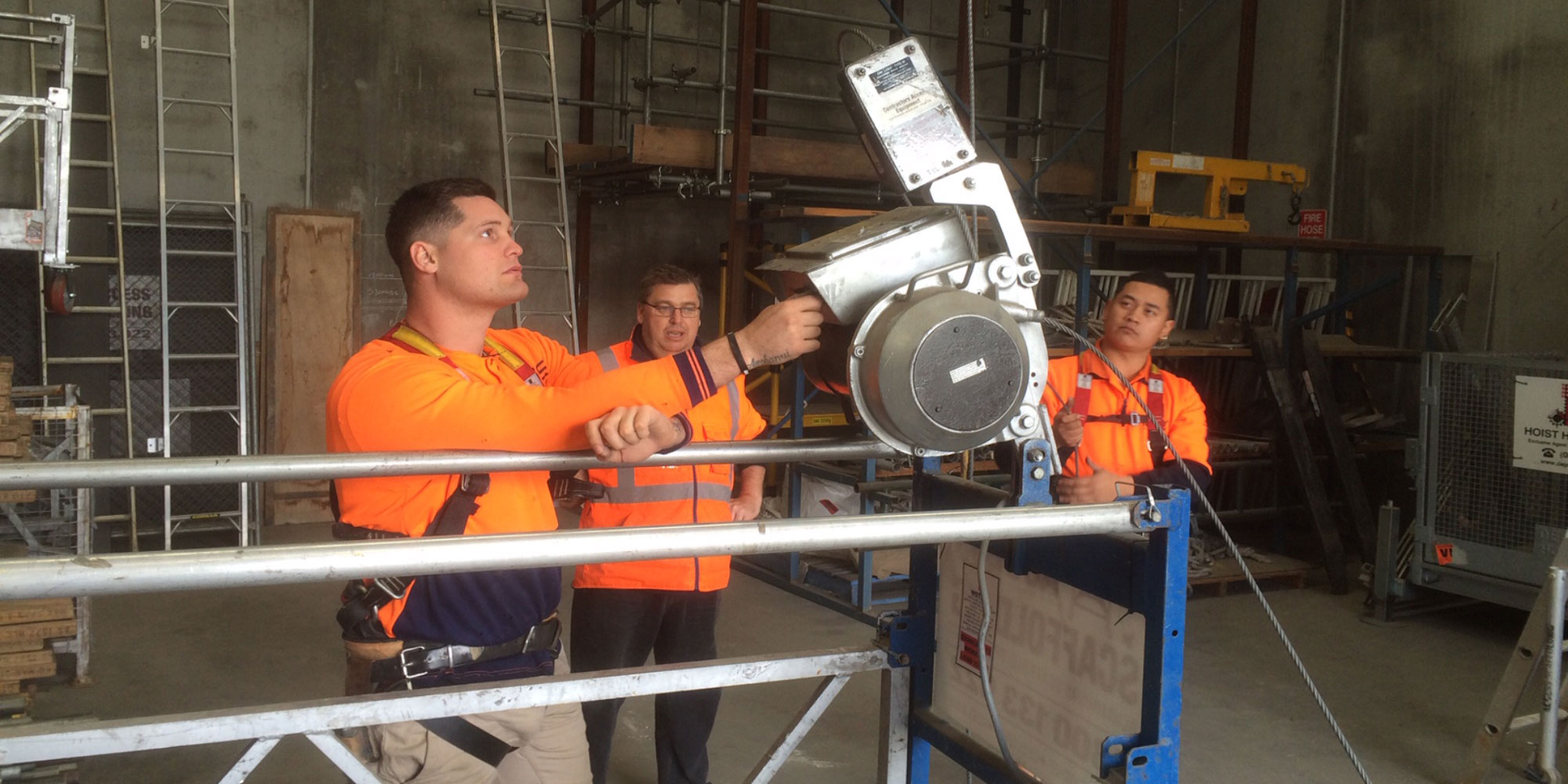
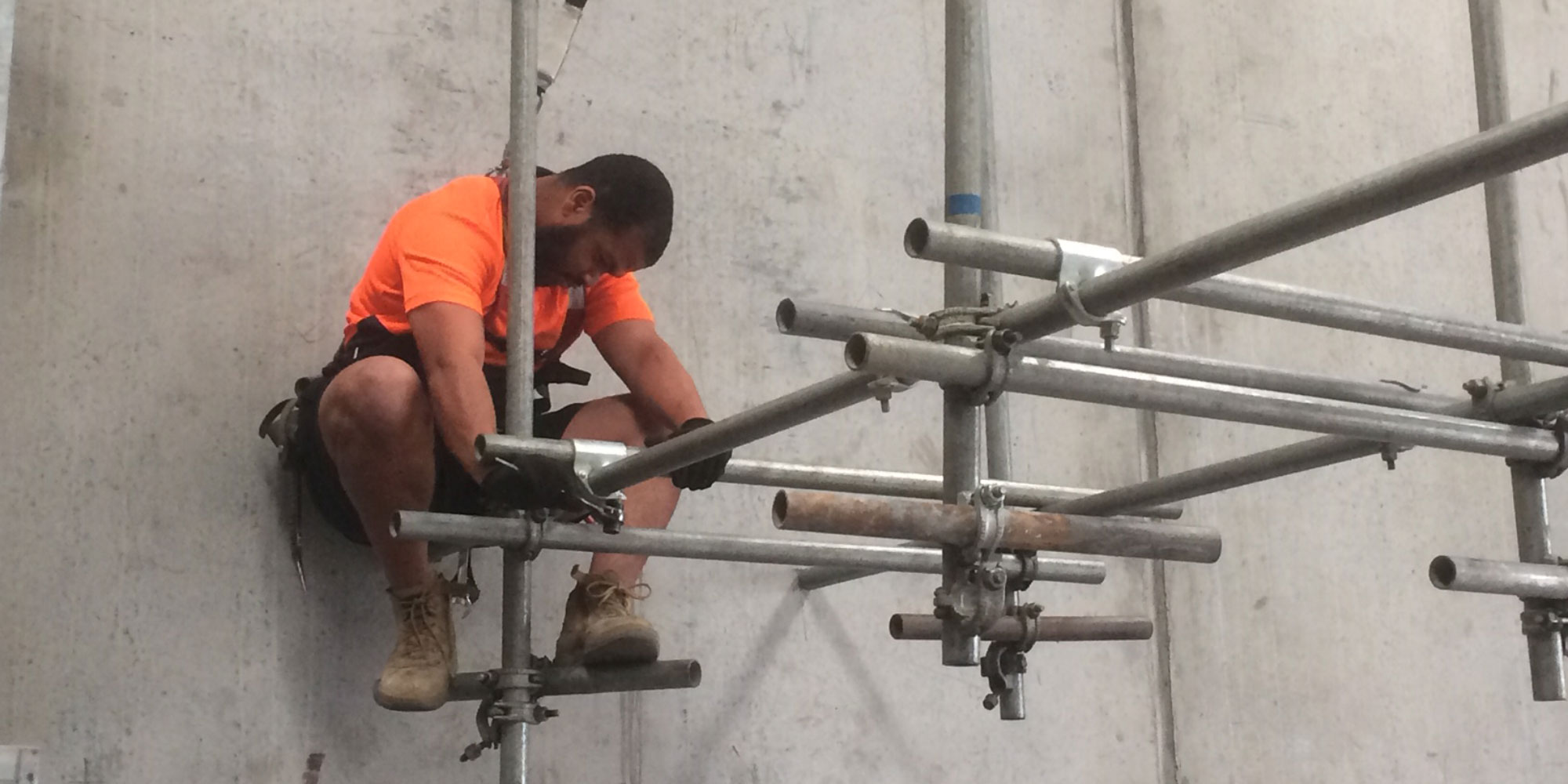
Students excel in the relaxed environment of Hangar 17, benefitting from the continuity of the same trainer and assessor throughout their course.
Gaining their knowledge & skills from an individual who's industry experience is
both current & extensive, spanning a career of over 30 years in the industry.
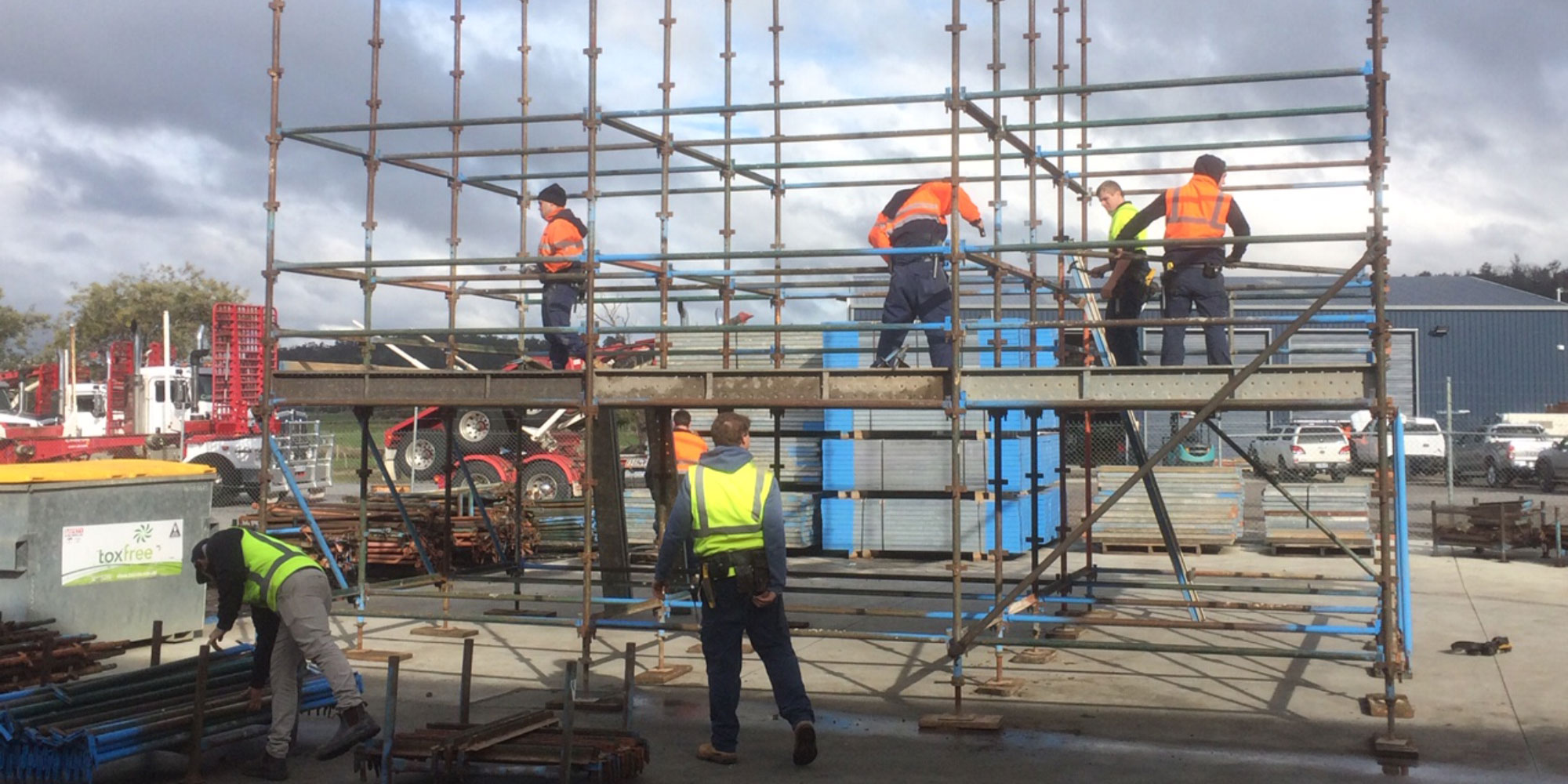
A Real Scaffolder running Real, up to the minute, site based training!!
All Worksafe Victoria HRWL assessments are run concurrently with every training session.
HRWL re-assessments are available with regularity.
Course Costs & Duration
- BASIC - CPCCLSF2001 Licence to erect, alter and dismantle scaffolding basic level: $1350 Reduced to $1100 for all sessions booked in June - 5 day course
- INTERMEDIATE - CPCCLSF3001 Licence to erect, alter and dismantle scaffolding intermediate level: $1350 - 4 day course
- ADVANCED - CPCCLSF4001Licence to erect, alter and dismantle scaffolding advanced level - $1500 - 4 day course
- Enquiries and bookings can be made over the phone by calling 0415789820 or email to: info@auscta.com.au
Please see our training calendar for session availability.
https://www.scaffoldtrainingcompany.com.au/training-calendar
For a full list of STTC scope go to: